The Economy Women Remember, and the One That Forgot Them – Gouri Theertha
- July 18, 2025

There is a kind of genius you’ll never find in textbooks. The kind that calculates grain-to-rice yield ratios without a calculator, that balances weekly debt repayments against a son’s fever medicine with quiet precision, that feeds six people with the budget meant for three.
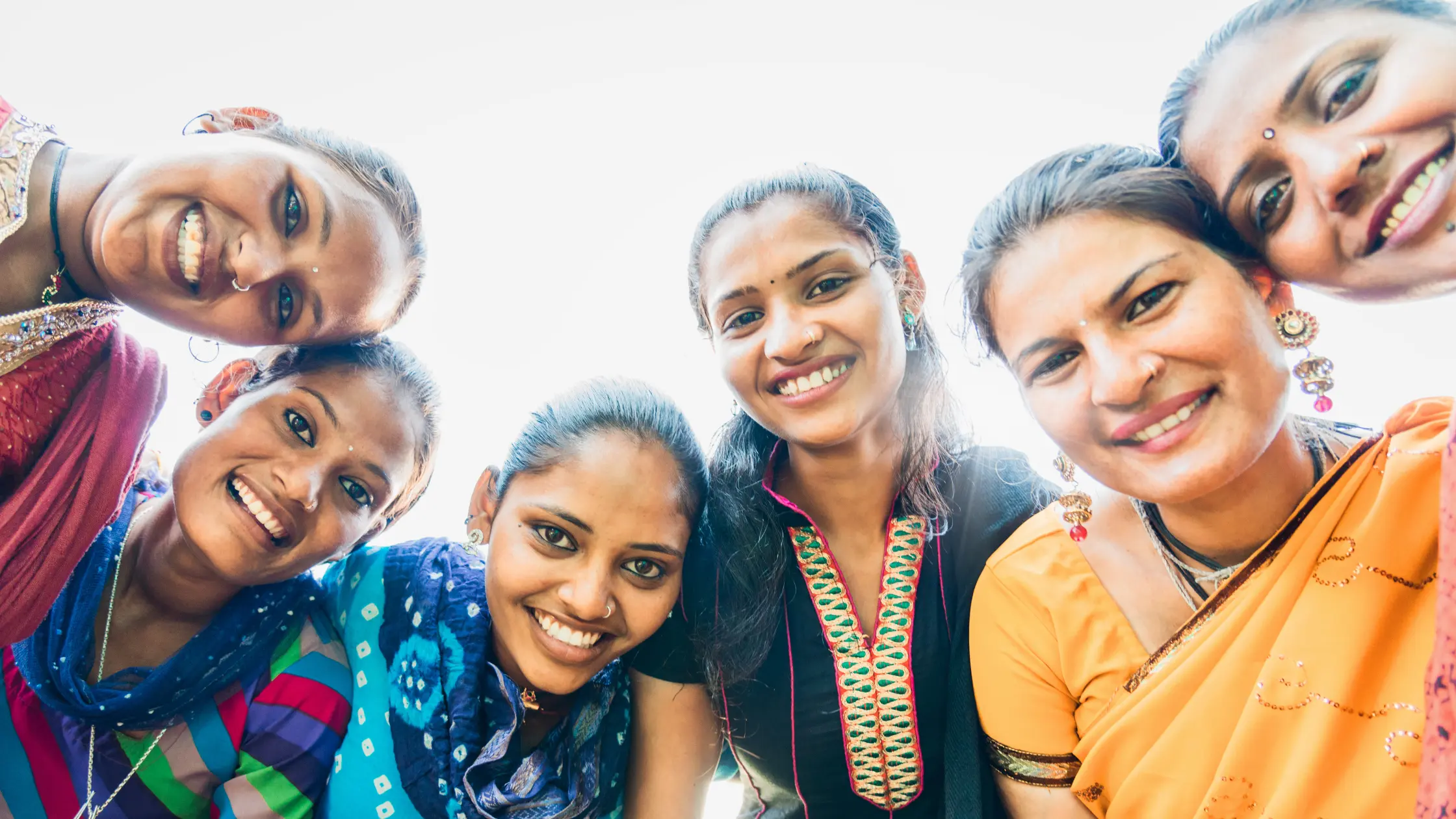
It’s the genius of the underfinanced, the overlooked, and most invisibly—the under-taught. It is the genius of rural women. And it has been systematically undervalued for centuries.
Long before buzzwords like “financial inclusion” entered policy papers and global summits, women in villages were already serving as the Chief Financial Officers of homes run on uncertainty. They were making trade-offs with a granularity that would impress Wall Street. Except they weren’t being paid. Or taught. Or counted. The global financial system was not designed with them in mind. It was built on signatures they weren’t allowed to make, currencies they never held, contracts they could not read, and rules they were never taught. And yet, they survived it. But surviving is no longer enough. Not when the world is moving fast, and they are being left behind at the speed of progress.
You can teach a woman to read. You can give her voting rights. You can even put her name on a bank account. But until you teach her how to interpret a loan agreement, how to calculate interest, how to resist the charm of predatory lenders and the shame of asking for what is rightfully hers—you are giving her freedom with conditions. And conditional freedom is just another kind of prison. Financial illiteracy is not ignorance—it is inherited vulnerability.
It is a mother who sells her gold wedding bangle to buy a cow, but signs a 38% interest loan because no one told her what the number meant.
It is a widow who doesn’t know her husband’s pension can still come to her because the bank account was never explained.
It is a generation of daughters watching their mothers make magic from scarcity—and quietly internalizing that suffering is just part of being a woman.
What the world has never fully understood is this: the ROI on teaching a woman how to manage money is not 10x. It is intergenerational. One woman who understands savings teaches four others. One woman who escapes a debt trap changes the story her daughter tells about money. One group of women who learn how to co-invest become a cooperative. And a cooperative becomes a movement.
When women learn the language of finance, they don’t just spend—they reshape economies.
But this revolution won’t go viral. It will begin in whispers. In small rooms. In hesitant questions:
“What is interest?”
“Can I open an account without my husband?”
“What happens if I don’t repay on time?”
And then the most dangerous sentence of all:
“I understand now.”
The world has long carved women into archetypes—nurturer, caretaker, provider of everything but opinion. It taught them the currency of obedience but not the arithmetic of autonomy. It perfected the art of telling them how to endure, but never how to choose. But the age of silent labor is ending. Teach her not just how to earn, but how to understand. Not just how to give, but how to grow. Not just how to survive, but how to steer. And when millions rise with that same understanding, it will not be an economic adjustment. It will be a civilizational correction. Because when a woman begins to understand the flow of money, she no longer just navigates the margins; she begins to redraw the map. And when millions like her rise with that same quiet certainty, it will not be called a revolution.
It will be called justice.
Authors Bio – I’m G.L Gouri Theertha, currently studying BSc.Economics at Gokhale Institute of Politics and Economics in Pune. Alongside my studies, I’m working on a couple of projects related to data and finance. Each endeavor I embark upon becomes a canvas for my relentless ardor and unyielding commitment.